
Wiring Upgrades: How to Spot Unsafe Wiring and Components
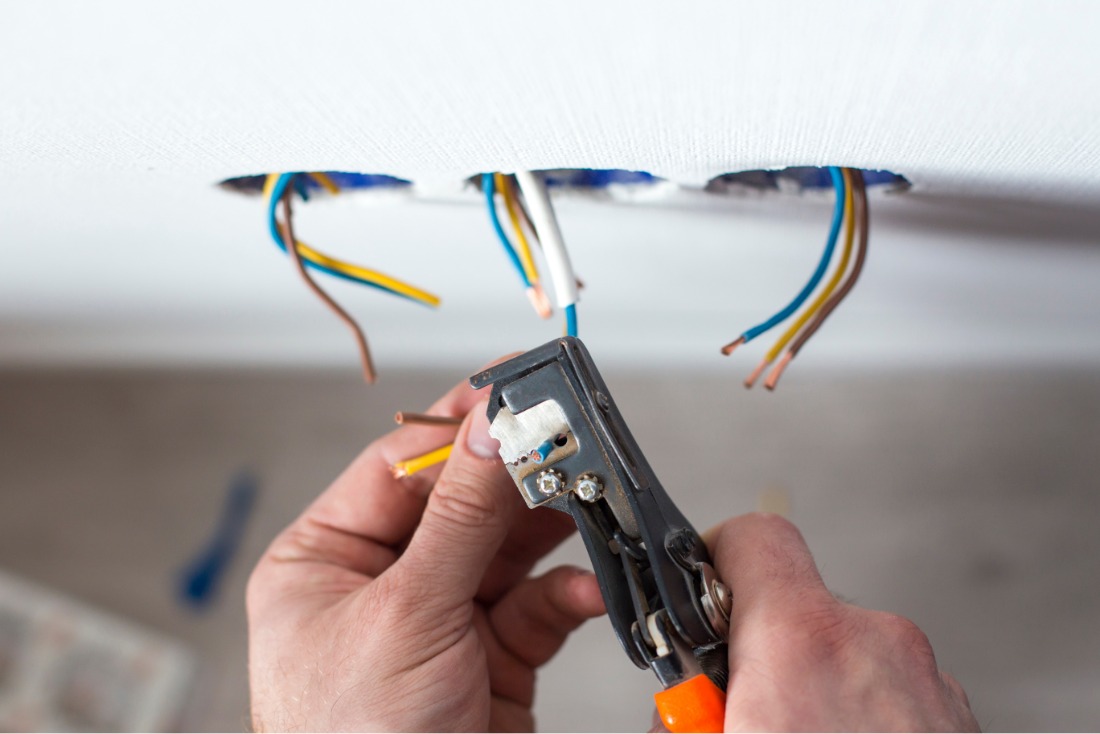
As homes age, so do the electrical systems within them. In South Florida, many homes were built decades ago; it’s not uncommon to find outdated wiring and electrical components that no longer meet today’s safety standards. Unfortunately, these older systems can pose significant risks, including electrical fires, shocks, and appliance damage. If you live in an older home, it’s essential to know how to identify signs of unsafe wiring and components. Understanding what to look for can help you protect your home and family by making necessary wiring upgrades.
Below, we’ll cover some of the most common types of outdated and unsafe wiring found in South Florida homes and how to spot them.
1. Knob and Tube Wiring
What is it?
While not that common in Florida in most homes, knob and tube wiring was commonly installed in homes built between the 1880s and 1940s. It consists of copper wires running through ceramic knobs and tubes, which help to insulate the wire. While this wiring was considered state-of-the-art in its time, it has since been replaced by safer, modern methods.
Why is it a safety risk?
Knob and tube wiring lacks a grounding wire, which is crucial for preventing electrical shocks and protecting your devices from power surges. Over time, the insulation around the wires can deteriorate, exposing live wires and increasing the risk of electrical fires. Additionally, this type of wiring was not designed to handle the power demands of today’s modern appliances.
How to spot it
Knob and tube wiring is usually visible in unfinished areas like basements or attics. Look for ceramic knobs and tubes affixed to joists or walls, often with wires draped between them. If you notice this type of wiring in your home, it’s time to consider an upgrade to a modern, grounded system.
2. Aluminum Wiring
What is it?
Aluminum wiring was commonly used in homes built between the 1960s and 1970s as a cost-effective alternative to copper. While it was initially seen as a safe option, it has since been linked to several safety concerns.
Why is it a safety risk?
Aluminum expands and contracts more than copper, leading to loose connections over time. These loose connections can cause wires to overheat, sparking electrical fires. Additionally, aluminum is more prone to corrosion, which can increase electrical resistance and cause hotspots in the wiring.
How to spot it
If your home was built during the 1960s or 1970s, there’s a good chance it has aluminum wiring. To confirm, check the visible wiring at your breaker panel or outlets. Aluminum wiring typically has the label “Al” or “Aluminum” printed on the wire insulation. If you suspect aluminum wiring, it’s best to have a professional electrician inspect and potentially replace it with copper wiring or install special connectors designed to make aluminum wiring safer.
3. Cloth-Insulated Wiring
What is it?
Cloth-insulated wiring was widely used in homes from the 1920s to the 1960s. The wires were wrapped in fabric-like material that served as insulation, which has since been replaced by safer, modern plastic insulation.
Why is it a safety risk?
Over time, the cloth insulation becomes brittle and deteriorates, exposing the wiring. This can lead to electrical shorts, sparks, or even fires. In some cases, the insulation may have completely disintegrated, leaving bare wires that pose a serious risk of electrical hazards.
How to spot it
Cloth-insulated wiring can sometimes be visible in unfinished areas like attics, basements, or near electrical panels. Look for a fabric-like covering on the wires, which may appear frayed or discolored. If you find this type of wiring in your home, it’s important to have it replaced by a licensed electrician.
4. Federal Pacific Electric (FPE) Panels
What is it?
Federal Pacific Electric (FPE) panels were installed in many homes built from the 1950s to the 1980s. These panels were commonly used because they were affordable and widely available at the time. However, they have since been found to be unreliable and dangerous.
Why is it a safety risk?
FPE panels are known for having faulty circuit breakers that fail to trip during an electrical overload or short circuit. This can cause the wires to overheat and start a fire. Many homeowners are unaware of these panels’ dangers, making it crucial to check if your home is equipped with one.
How to spot it
If your home was built during the mid-20th century, check your electrical panel for the brand “Federal Pacific” or “Stab-Lok,” which is a key identifier of these panels. If you have an FPE panel, replacing it with a modern, safer alternative is strongly recommended as soon as possible.
5. Zinsco Panels
What is it?
Zinsco panels were also used in homes built between the 1950s and 1970s. Similar to FPE panels, Zinsco panels were popular at the time but are now known to be defective and dangerous.
Why is it a safety risk?
Zinsco panels have been found to have circuit breakers that can become loose and fail to trip when necessary. In some cases, the breakers can even melt onto the panel’s bus bar, rendering the panel useless. This creates a significant fire hazard, as it allows electricity to flow unregulated through your home.
How to spot it
Zinsco panels are labeled with the brand name “Zinsco” on the front. If you suspect your home has a Zinsco panel, it’s important to have it replaced with a modern electrical panel that meets today’s safety standards.
6. Two-Pronged (Ungrounded) Outlets
What are they?
Many older homes still have two-pronged outlets that lack a grounding wire, which is a critical safety feature in modern electrical systems. Grounding wires help protect against electrical shocks and surges by providing a safe path for excess electricity to escape.
Why is it a safety risk?
Ungrounded outlets can increase the risk of electrical shock, especially when using appliances with metal casings. Additionally, they do not provide protection from power surges, which can damage sensitive electronics such as computers and televisions.
How to spot them
Check your outlets—two-pronged outlets are easy to identify because they lack the round grounding slot that three-pronged outlets have. If your home still has two-pronged outlets, it’s a good idea to upgrade to grounded, three-pronged outlets for better safety.
7. Fuse Boxes
What is it?
Fuse boxes were the standard in homes before modern circuit breakers became widely used. Instead of flipping a switch to reset a tripped circuit, fuse boxes require the homeowner to replace blown fuses manually.
Why is it a safety risk?
Fuse boxes are often not designed to handle the electrical loads of modern homes, and they can overheat if incorrect fuses are used. Additionally, homeowners may attempt to bypass the fuse by using improper replacements, which can lead to electrical fires.
How to spot it
If your electrical panel requires you to replace fuses instead of flipping breakers, it’s likely time to upgrade to a modern circuit breaker panel. Fuse boxes are typically small and have round, screw-in fuses rather than the switches found in modern breaker panels.
Upgrade Your Wiring for Safety and Peace of Mind
Outdated wiring and electrical components can pose serious risks to your home and family. If you notice any of the signs mentioned above, it’s essential to take action. Upgrading your electrical wiring and replacing unsafe components such as Electrical Panels, not only protects your home from electrical fires and shock hazards but also improves the efficiency and reliability of your electrical system.
If you suspect that your home has outdated wiring or faulty electrical panels, contact a licensed electrician for an inspection. The team at Perfect Electric Solutions is here to help you with wiring upgrades, panel replacements, and any other electrical needs to ensure your home is safe and up to modern standards. Don’t wait for an emergency—upgrade your wiring today for a safer tomorrow!